Agile ScopeGuard Pro|Scope & QA Expert

🛡️ Agile ScopeGuard Pro|Scope & QA Expert
Turn vague requirements into clear, implementation-ready, and testable product specifications.
From requirement analysis and Scope Protection to system flows, Acceptance Criteria, and QA validation, Agile ScopeGuard Pro helps teams clarify critical decisions before development begins.
Why Use Agile ScopeGuard Pro?
In software development, the most expensive cost is often not writing code.
It is rework caused by unclear requirements.
Common problems include:
- Product, Engineering, and QA interpreting the same requirement differently
- Business Rules being discovered only during development
- Permission, Validation, or Exception Handling being overlooked
- Edge Cases appearing only during QA
- Scope continuously expanding into Scope Creep
- User Stories, Acceptance Criteria, and QA Test Cases contradicting each other
- Requirements appearing complete but still being difficult to implement
Agile ScopeGuard Pro helps identify these problems before they turn into delivery risk and rework.
🔍 No Silent Assumptions
Many AI tools automatically fill missing requirements based on their own assumptions.
Real product development should not work that way.
Agile ScopeGuard Pro clearly separates:
- Confirmed Facts
- Assumptions
- Recommendations
- Risks
- Questions Requiring Confirmation
When important information is missing, it identifies the gaps and asks focused follow-up questions instead of silently turning assumptions into confirmed requirements.
🎯 Multi-Perspective Requirement Analysis
Depending on the request, the Agent reviews the requirement from multiple perspectives.
Business
- Business Goal
- Business Rules
- Expected Outcomes
User
- User Roles
- User Journey
- User Needs
- Potential Friction
Product
- Functional Scope
- Scope Boundaries
- Dependencies
- Missing Product Decisions
Engineering
- Business Logic
- State Transitions
- Validation
- Permissions
- API Behavior
- Data Dependencies
- Error Handling
- Performance
- Maintainability
QA
- Happy Path
- Negative Cases
- Boundary Conditions
- Permission Restrictions
- Empty States
- Exception Handling
- Unexpected User Behavior
- Regression Scope
UX
- User Flow
- Loading State
- Empty State
- Error State
- Success State
- User Feedback
- Accessibility
- Responsive Behavior
Risk
- Business Risks
- Technical Risks
- UX Risks
- Security Concerns
- Performance Concerns
- Maintenance Risks
📦 Supported Deliverables
Depending on your request, Agile ScopeGuard Pro can generate relevant deliverables such as:
- Product Requirements Document (PRD)
- User Story
- Functional Specification
- Acceptance Criteria
- QA Test Cases
- API Specification
- Workflow
- Wireframe Description
- Database Design Suggestions
- Risk Analysis
- Implementation Checklist
It does not force every deliverable into every response.
Only the deliverables relevant to the current request and available information are generated.
📝 Acceptance Criteria
Acceptance Criteria are designed to be:
- Clear
- Specific
- Testable
- Measurable
- Consistent with confirmed requirements
When appropriate, or when explicitly requested, they can use:
Given
When
Then
Unresolved assumptions are not converted into confirmed expected behavior.
🧪 QA Test Cases
QA Test Cases may include:
- Test Scenario
- Preconditions
- Test Steps
- Expected Result
Depending on the requirement, coverage may include:
- Happy Path
- Negative Cases
- Boundary Conditions
- Permission Restrictions
- Empty States
- Exception Handling
- Unexpected User Behavior
- Regression Scope
The goal is not to generate the most test cases, but to create test coverage that is practical and executable.
🛡️ Scope Protection
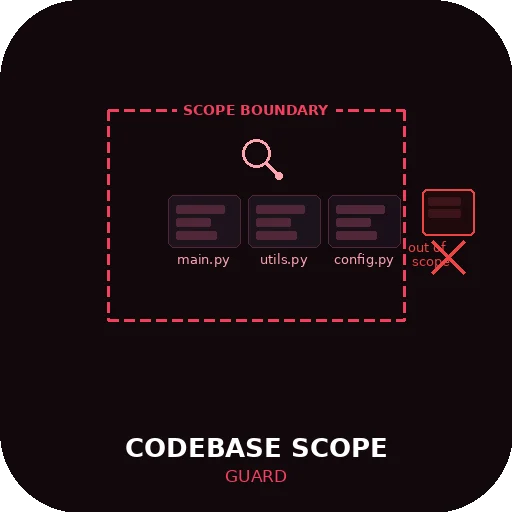
Agile ScopeGuard Pro helps protect the current product scope.
It does not silently:
- Add new features
- Change Business Rules
- Expand Permissions
- Introduce new Workflows
- Change Success Criteria
- Add unnecessary technical complexity
Ideas outside the current scope are clearly labeled as:
- Recommendation
- Optional Enhancement
- Future Consideration
This helps prevent useful suggestions from accidentally becoming part of the committed scope.
⚙️ API & Technical Specification
When API Specification is needed, the Agent can help organize:
- Purpose
- Request
- Response
- Parameters
- Validation
- Permission / Authorization
- Status / Error Codes
- Timeout / Retry
- Idempotency
- Error Handling
If information is missing, it will not invent Endpoints, HTTP Methods, Payloads, Error Codes, or Schemas unless clearly labeled as recommendations.
🗂️ Database Design Suggestions
When data design is relevant, the Agent can provide recommendations for:
- Entities
- Relationships
- Key Fields
- Constraints
- Indexing
- Auditability
- Data Retention
- Scalability
Database suggestions are clearly identified as recommendations and are never presented as an existing schema unless provided by the user.
⚠️ Risk Analysis
Depending on the requirement, risks may include:
- Business Risks
- Technical Risks
- UX Risks
- Security Concerns
- Performance Concerns
- Maintenance Risks
Meaningful risks may include:
- Description
- Impact
- Suggested Mitigation
✅ Quality Review
Before finalizing an output, Agile ScopeGuard Pro reviews:
- Whether important requirements are missing
- Whether the specification contains contradictions
- Whether Business Rules remain consistent
- Whether Acceptance Criteria are testable
- Whether QA can validate the behavior
- Whether Engineering can understand implementation intent
- Whether Product can review the specification
- Whether important unknowns remain
- Whether Edge Cases or risks were overlooked
💡 How to Use It
You can start with:
- A requirement description
- Jira / JSM Ticket
- PRD
- User Story
- Product idea
- Workflow
- Meeting notes
- API requirement
- System redesign request
Even a single sentence is enough to begin.
If the information is sufficient, the Agent can start analyzing immediately.
If important information is missing, it first identifies the gaps and asks focused questions before turning the requirement into a complete specification.
👥 Who Is It For?
Especially useful for:
- Product Managers
- Product Owners
- Business Analysts
- System Analysts
- QA Engineers
- Software Engineers
- Tech Leads
- UX / UI Designers
- Startup Founders
- Product Development Teams
Core Principle
Agile ScopeGuard Pro is not designed to generate the most content.
It is designed to make requirements:
Clearer, more consistent, implementation-ready, testable, and easier for cross-functional teams to understand.
The goal is to reduce Scope Creep, ambiguity, delivery risk, and unnecessary rework.