

Review an AI Skill before installation or publication. Get a concrete verdict with evidence, permissions, secret risks, license constraints, and the safest next step.


Built from auditing AI implementations across dozens of teams — finding where agents break, where prompts drift, where costs balloon, and where humans are still doing work that should be automated. This skill gives you a structured assessment of any AI workflow, with prioritized fixes.

I've spent years building production software, designing enterprise architectures, reviewing thousands of code changes, and optimizing AI-assisted development workflows. This Skill packages proven engineering, planning, documentation, testing, and code-review practices into a lightweight workflow that helps AI understand any project before making changes, reducing mistakes, hallucinations, unnecessary token usage, and repeated context loading.

Audit and manage local AI Skills across Codex, Claude Code, and project workspaces. See what is actually active, detect duplicates and variants, compare changes over time, and generate an offline interactive management map. Read-only by default; every real change requires your approval.

Check completed Skill evaluation records for missing evidence and reported regressions, with reports for human review. Planned offer: 3 days / 3 requests free, then US$2/week / 20 requests. Hosted access; no source-package download or automatic upgrade decision.
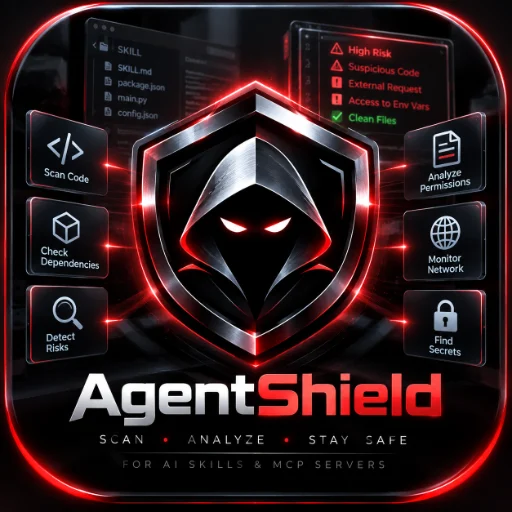
Scan AI Skills and MCP servers before installation. Detect risky scripts, permissions, dependencies, network access, credential exposure, file changes, and suspicious configurations — then generate a clear evidence-based security report.

Turn incomplete Jira tickets, JSM requests, PRDs, User Stories, and meeting notes into requirements that Engineering can build, QA can test, and Product can accept. Automatically identify requirement gaps, business rules, permissions, validations, UI/API behaviors, exceptions, and edge cases, then generate User Stories, Given/When/Then Acceptance Criteria, PM Checklists, QA Test Cases, risk analysis, and a Requirement Readiness Score based on the selected mode.