

Check suspicious emails, texts, links, payment changes, job offers and marketplace messages before you click, pay or reply. ScamShield highlights observable red flags and gives privacy-safe verification steps without opening links.
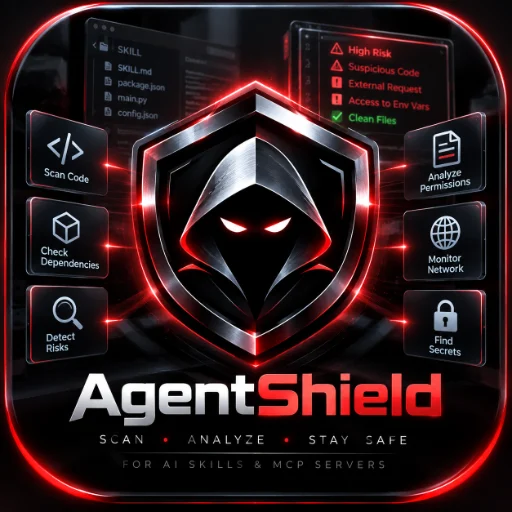
Scan AI Skills and MCP servers before installation. Detect risky scripts, permissions, dependencies, network access, credential exposure, file changes, and suspicious configurations — then generate a clear evidence-based security report.

Catch unauthorized reads, tool misuse, stale approvals, and trace-response mismatches before your AI Agent ships. Upload a trace, get evidence-backed findings, fix issues, retest, and see a clear release gate: READY, BLOCKED, or NOT_VERIFIED. Insufficient evidence may result in NOT_VERIFIED. Complete security and general task or semantic correctness are not guaranteed. Imported trace authenticity is not guaranteed.

Analyze suspicious messages, links, job offers, shopping deals, investment pitches and payment requests. ScamShield uses a local, keyless script to surface warning signs, including suspicious requests, hidden characters and look-alike domains. Get evidence-based guidance and safer next steps in your language. It never opens links or claims that something is safe. A screening aid, not a guarantee.

I specialize in safe Codex skill onboarding. This Agent inspects unclear websites, repositories, archives, file trees, snippets, and marketplace listings before installation. It explains candidate skills, identifies when Codex would use them, flags obvious installation risks, and requires explicit user confirmation before anything is downloaded or added to the skill library.

Help a production-bound tool-using agent pass a security gate: tool allowlist, data boundaries, destructive-action tiers, external API risks, secret handling, audit logs, human approval, rollback, and traceability. Built to prevent agents from deleting data, sending messages, changing billing, calling external APIs, reading sensitive context, or leaking secrets before anyone notices the permission boundary is too broad.

This Skill is built on practical expertise in AI file-workflow governance, source authority classification, copy-first editing, prompt-injection resistance, private-to-external dataflow review, and publish/delete/send boundary checks. It helps AI agents decide what can be read, copied, edited, deleted, zipped, or sent while keeping originals protected and untrusted file, web, or tool content from becoming instructions.
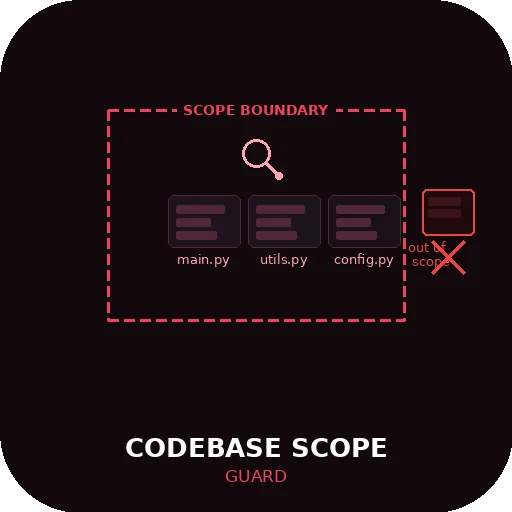
Forces AI coding agents to read exports, callers, and shared utilities before touching any file — then restricts every edit to the declared scope, flags conflicting patterns for human resolution, and reports any file touched outside the boundary.

Review AI agents, automation workflows, and project architectures for design gaps, risks, missing requirements, and improvement opportunities.