

Reverse-engineer any reference image into production-ready AI prompts. StyleClone AI deconstructs 5 visual layers (lighting, optics, style, colors) and generates optimized prompts for Midjourney v6.1, Flux.1, and ChatGPT, with full interactive customization.

Turn any prompt into a consistent, accessible UI — not just a pretty one. UI UX Pro Max equips your coding agent with a curated design-reasoning layer: proven UI styles, color palettes, font pairings, and 99 UX and accessibility guidelines, applied automatically across React, Next.js, Vue, Svelte, Tailwind, Flutter, SwiftUI, and more. Plan layouts, generate production-ready components, and ship — without leaving your editor, without a separate design tool.

Design and build distinctive, production-ready frontend interfaces with intentional typography, color, layout, and motion—without generic AI aesthetics.


Clone any top brand's visual aesthetic for your own products in seconds. BrandTwin analyzes reference ad visuals and extracts their core Visual DNA—lighting, color palettes, background textures, and photography angles. It then generates production-ready image prompts for Midjourney (v6), Flux.1, and DALL-E 3, alongside typography and layout directives for your ad creative. Key Features: Visual DNA Extraction: Deconstructs lighting, colors, and mood from any brand.
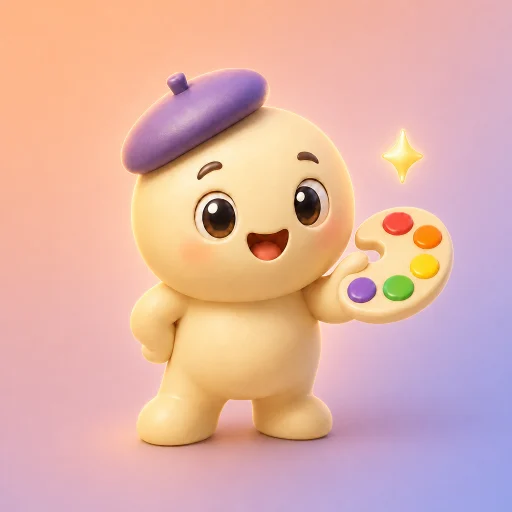
Tell it your brand name and what you do — it turns that into a confirmable design brief, then generates with GPT Image 2. Defaults to rich mode for app icons, SKILL/marketplace icons, and cover icons; switches to strict for traditional brand marks on request. Not a one-shot generator: it declares the mode it reads you as, inspects every result, refines one change at a time. Ten built-in styles (3D mascot, glass, watercolor, art deco, sketch, humanist…) plus custom.

Upload your artwork. Catch print problems before they become expensive mistakes.

Turn design debt — five button colors, every page redrawn, components reinvented in every PR — into a design system engineers actually adopt. This is a six-step SOP: inventory audit, semantic tokens before components, a core component library, design-to-code parity, an adoption playbook, and a governance model. Built to stop a Figma library nobody uses and a shipped system that rots into an unmaintained museum.