

Expert Betaflight assistant covering flight-controller configuration, PID/filter tuning, and blackbox/chirp log analysis. Diagnoses flight issues from symptom descriptions, CLI diffs/dumps, or .bbl/.bfl logs.

Diagnose software project risk, uncover the real blockers, and turn messy delivery problems into executable recovery plans.

Plan real factory orders across limited machines, material inventory and manufacturing steps. Detect late or blocked orders, compare what-if capacity scenarios, and export a reviewable production timetable, CSV reports and a calendar. No automatic ERP actions.
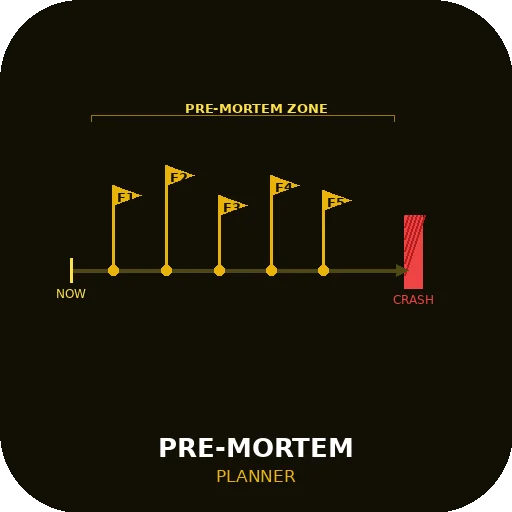
Forces AI agents to enumerate five specific failure scenarios before generating any output — at least one must be unique to the current task — then declare the single most likely failure and its mitigation, so every plan accounts for what could go wrong before committing to what might go right.

Stress-test any plan, PRD or decision: find the 3-5 assumptions that would kill it, with kill criteria and the cheapest test for each. Or turn a fuzzy idea into a discovery brief with opportunities, options, experiments and metrics.

Your AI built the app. Find out if it is ready to ship. Audits apps built with Cursor, Claude Code, Lovable, Bolt or v0 and ranks what will break after launch, worst first: auth holes, IDOR, Supabase RLS, exposed secrets (always masked), SQL/NoSQL/command injection, SSRF, XSS, payment webhooks and deploy blockers, plus SEO and AI-search readiness. Get a ship decision, scores, evidence-backed findings (file:line) and copy-paste fix prompts. Audit-only; your code is never executed.

Skip the trial and error. This guide shows you how to pick components that truly match your needs and put them together correctly, the first time.

Paste your Playwright, Puppeteer or Selenium symptom; get ranked causes, probe code and a read-back check.

A scan tells you what is wrong. This tells you what to do. Same engine as the ADA Website Risk Scanner — 14 WCAG 2.2 AA check families. But instead of a defect list, you get a work plan: findings grouped into batches, ordered by exposure reduced per hour of developer time, each with before/after code, effort estimate, required skill, and a verification step. Three phases. Quick wins first. A project manager can assign it as-is.