

Systematic QA of CLI tools and pipelines across multiple real workspaces using SFDPOT heuristics. Executes structured test flows, evaluates consistency oracles, collects evidence, and produces a structured bug report with P1/P2/P3 priorities and a release readiness verdict.

Hands-on prompt engineering and LLM evaluation. Built around a diagnose-then-ship loop: forensic transcript critique ▎ that names the exact failure mode, paired with a fixer that produces complete, deployment-ready rewrites — not ▎ vague advice.

Review AI agents, automation workflows, and project architectures for design gaps, risks, missing requirements, and improvement opportunities.

Your agent forgets why it decided things once the conversation gets summarised. Session Checkpoint keeps a STATUS.md at your project root — current state, the exact next command, decisions with their reasons, pitfalls already hit — and installs a session hook that reloads it automatically, so every new session opens with a briefing instead of amnesia.

Four independent AI reviewers — Security Skeptic, Reliability Realist, Maintainability Pragmatist, and Performance Pessimist — each review your diff blind to the others' verdicts, so real bugs don't get averaged away into one polite summary.
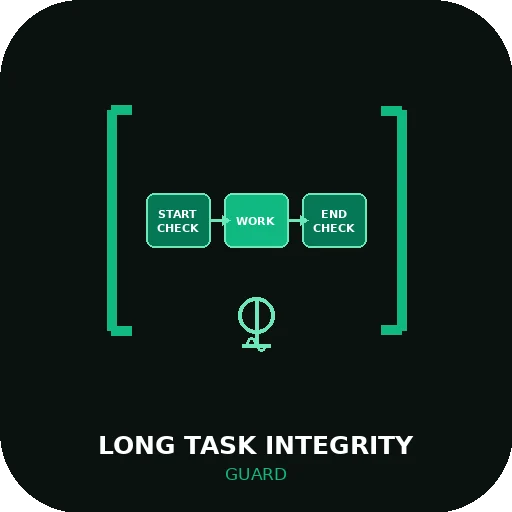
Wraps each phase of a long AI task in a start-check / work / end-check bracket — and re-anchors the original instructions at every phase boundary so the agent cannot drift from its rules or skip verification as the session grows longer.

Turn a long recurring agent prompt into a short pointer prompt plus a procedure file, with a keep/delete table for every sentence.

⚠ INDEPENDENT TOOL — NOT AN OFFICIAL CAPAFY PRODUCT. Not operated by, endorsed by, or affiliated with Capafy. You are responsible for reviewing the package contents, credentials, pricing, and final Submit-for-Review details before submitting. This helper wraps the publicly-documented publisher CLI and walks the standard web-form checkpoints via a headless browser, so you can repeat the public submission flow for a local agent skill. Operator approval is required at the pricing and submit gates.

Turn video scripts into structured retention audits — map hook failures, desertion windows, and re-engagement fixes using attention psychology.