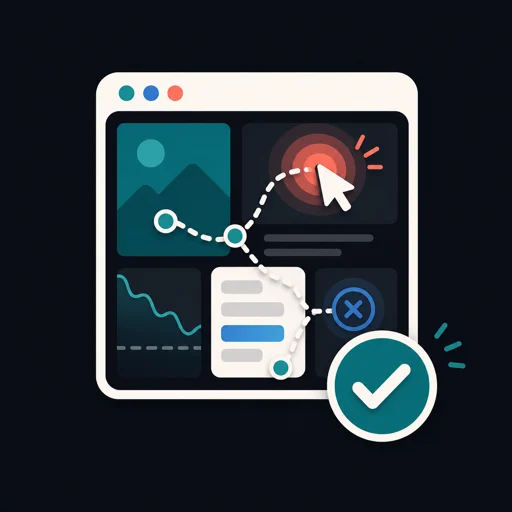
User Behavior Audit - UX Friction
Find where users get stuck when GA4 only shows that conversion dropped. This download skill turns Clarity, Hotjar, FullStory, LogRocket, or Mouseflow sessions into a focused UX friction audit with segment samples, rage/dead-click patterns, quick backs, JS-error clues, frequency counts, confidence levels, and ICE-scored design fixes written to journal/user-behavior-audits/.
#Marketing#Product#Research
Rating
More ratings needed
Sold
0
How to use
Download
What This Agent Helps With
User Behavior Audit turns scattered session recordings and heatmaps into a focused UX friction repair plan. It is built for teams that already know conversion dropped, but need behavioral evidence about why users hesitate, rage-click, dead-click, quick-back, hit JS errors, or miss the next action.
What You Get
- A clear research question and segment definition before opening Clarity, Hotjar, FullStory, LogRocket, or Mouseflow
- A sampling plan that separates anecdotes from repeatable patterns
- A friction finding table with frequency, confidence, affected step, and supporting evidence
- ICE-scored design fixes so product, marketing, and engineering teams know what to ship first
- A dated audit document written to
journal/user-behavior-audits/{YYYY-MM-DD}-{site-slug}.md
Best For
- Founders and marketers diagnosing conversion drops
- Product managers preparing a UX repair sprint
- UX researchers turning session review into stakeholder-ready findings
- CRO teams that need evidence before changing landing pages, checkout, forms, or onboarding
Workflow
- Define the research question and page or funnel segment.
- Sample comparable user sessions instead of cherry-picking memorable clips.
- Tag behavior patterns such as rage clicks, dead clicks, quick backs, scroll abandonment, JS errors, and form hesitation.
- Translate each pattern into a concrete design fix.
- Rank fixes with ICE and write the audit record for follow-up verification.
Important Note
This is a download skill. Buyers run it locally with their own AI tool and paste observations, exports, or notes from their analytics/session-recording tools. It is not a hosted scanner and does not require the publisher to hold API keys.