

Review AI agents, automation workflows, and project architectures for design gaps, risks, missing requirements, and improvement opportunities.
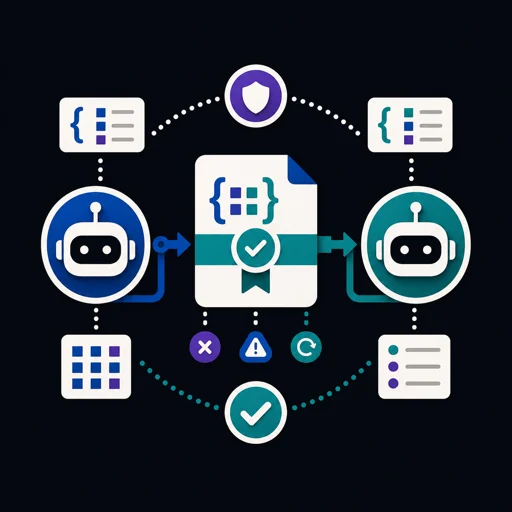
Help a team upgrade a multi-agent workflow from brittle chat relay into a rerunnable pipeline: each agent's input / output schema, context bundle, done criteria, failure modes, retry rules, escalation path, and handoff quality gate. Built to prevent context loss at boundaries, every agent asking the same questions again, downstream agents unable to use upstream output, and quality dropping at each handoff.

在你自己的電腦組建一支 AI 團隊:一位主管 AI 拆解任務、多名員工 AI 平行施工、逐檔驗收成果;附即時網頁監控台、一鍵啟動器與零基礎說明書(Windows/macOS),下載安裝即用。

One operator, five workflows that replace a patchwork of tools.
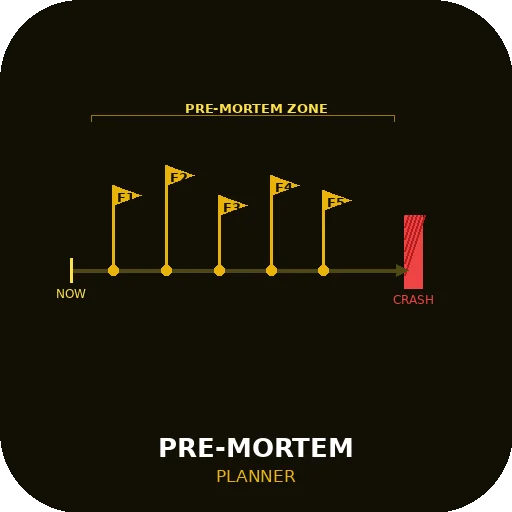
Forces AI agents to enumerate five specific failure scenarios before generating any output — at least one must be unique to the current task — then declare the single most likely failure and its mitigation, so every plan accounts for what could go wrong before committing to what might go right.
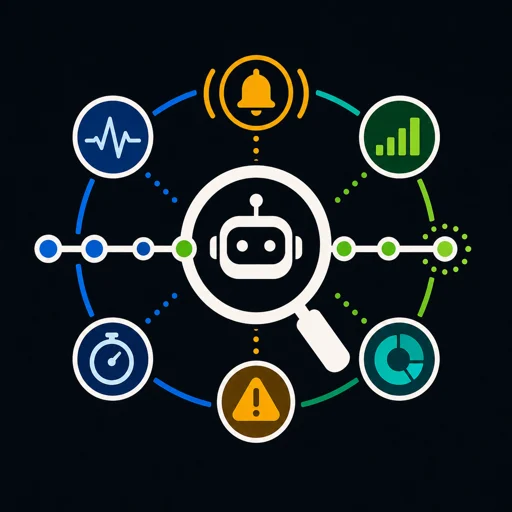
Help an already-running agent / multi-agent workflow move from demo black box to operable system: SLOs, run traces, cost, latency, tool calls, handoffs, failure taxonomy, quality signals, alert thresholds, post-run review cadence, and improvement loop. Built to prevent workflows where nobody knows which step broke, cost rises without warning, quality drift is discovered only through complaints, or incidents leave no evidence.

Reliability patterns for running three or more Claude Code agents unattended: handoff documents that survive restarts, a task router with a fallback backend, exponential back-off that refuses to retry auth errors, a sliding-window rate-limit guard, JSON-lines audit logs, stale-agent detection with a restart cooldown, and a two-step tmux notification protocol. Copy-ready Python and shell snippets plus a review prompt. No network calls or credentials included.
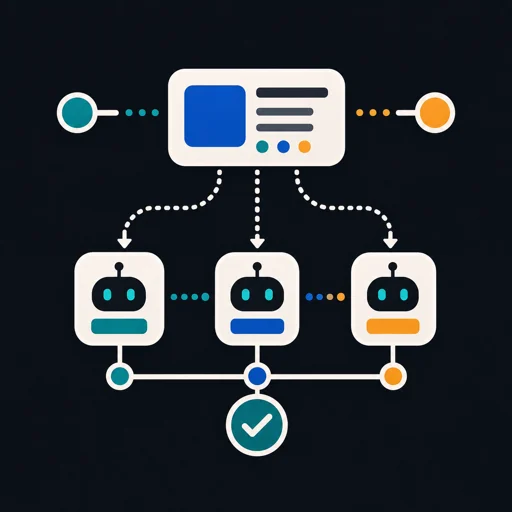
Turn a daily or weekly manual routine into an agent-executable workflow spec with clear acceptance criteria: capture the as-is process, decompose subtasks, define I/O and success criteria, choose the agent shape, draft the first prompt, and create 3-5 eval cases so automation does not collapse into prompt guessing. The buyer gets a reusable output with key decisions, concrete steps, warning signals, and a follow-up rhythm, so the skill becomes a durable workflow asset instead of a one-off chat.

Built from auditing AI implementations across dozens of teams — finding where agents break, where prompts drift, where costs balloon, and where humans are still doing work that should be automated. This skill gives you a structured assessment of any AI workflow, with prioritized fixes.