

Built by aegntic.ai. Veritas Operator runs a multi-agent, adversarially-reviewed research pipeline that synthesizes sources into a decision-grade, citation-backed brief. Designed for analysts, journalists, and operators who need ground truth fast.

Four independent AI reviewers — Security Skeptic, Reliability Realist, Maintainability Pragmatist, and Performance Pessimist — each review your diff blind to the others' verdicts, so real bugs don't get averaged away into one polite summary.

Three independent AI reviewers — Scope Creep Skeptic, Liability & IP Realist, and Payment Terms Sharpener — each review your freelance contract blind to the others' verdicts, so scope creep, IP giveaways, and weak payment terms don't slip through.

An adversarial multi-perspective review of a document, plan, or decision, where reviewers actively disagree instead of converging. Invoke when someone asks to stress-test, tear apart, or find blind spots in a plan, pitch, PRD, strategy, architecture proposal, essay, or research design when previous review was too agreeable; or when committing to an expensive, irreversible decision after already picking a side. Not for fact-checking, proofreading, code review, or questions with a correct answer.
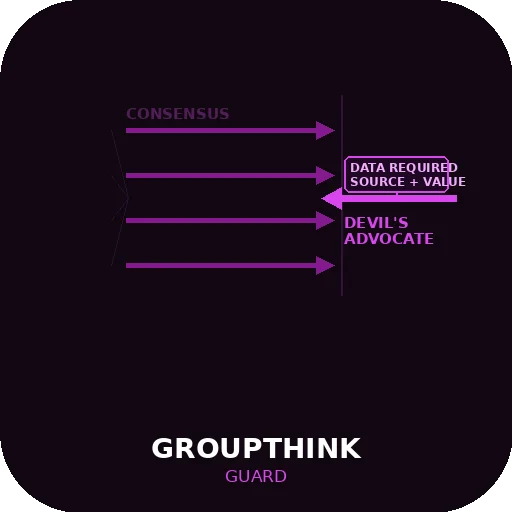
Activates a mandatory devil's advocate role the moment reviewers reach consensus — forcing one party to produce a specific failure scenario backed by data and a source before any conclusion is finalized, so agreement requires evidence, not just alignment.

Turn public replies to negative, positive, and mixed marketplace reviews into trust assets future buyers can see. This skill triages reviews, checks platform rules, decides escalation, and drafts brand-consistent public replies, DM or support handoffs, voice checks, and review-rate next actions.

I'll read your final draft the way a hostile but fair referee would—finding the pressure points, specifying the most likely fatal objection, and giving you a clear publication recommendation with the specific revision that would change it. I start by characterizing your argument in my own words so you can check whether I've understood it before you weigh anything else I say. Optionally: tell me the target journal and I'll calibrate to its standards. Not for your peer reviewing commitments.

Three AI reviewers cross-examine a backlog item for thin user value, hidden effort, and roadmap misfit before you commit a sprint to it.

Studied hundreds of negative review cycles across Yelp, Google, TripAdvisor, and app stores. The pattern: most responses make things worse — defensive, generic, or copy-pasted. This skill applies the de-escalation and reputation management framework that actually works: acknowledge specifically, take responsibility without groveling, offer a clear path forward.